Misaligned teeth do more than change the appearance of your smile. They can affect how comfortably you bite, how clearly you speak, and even how your jaw feels throughout the day. Improving your dental alignment can enhance bite function and, for some people, ease speech or jaw-related concerns. At Smile Orthodontics, we help patients find the right treatment for their individual needs.
In this blog, we’ll explain how dental alignment can improve your bite, speech, and jaw comfort, along with the treatment options available.
What Causes Bite, Speech, and Jaw Problems?
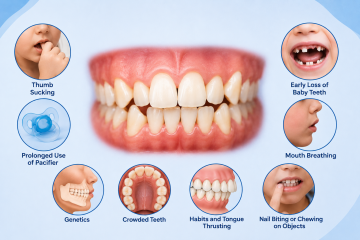
Bite, speech, and jaw problems are usually caused by misaligned teeth or jaws, which can develop from childhood habits, genetics, or missing and crowded teeth.| Misalignment Type | What It Means |
| Overbite | Upper teeth sit noticeably in front of the lower teeth |
| Underbite | Lower teeth sit in front of the upper teeth |
| Crossbite | Some upper teeth sit behind the lower teeth when biting |
| Open bite | Front teeth do not meet when the back teeth are closed |
How Alignment Improves Your Bite
Correcting alignment allows your upper and lower teeth to meet evenly, which spreads biting force properly and reduces uneven wear on individual teeth. This lowers the risk of chipped edges, sore gums, and strain from certain teeth doing more work than they should.How Alignment Improves Speech Clarity
Straighter teeth and a corrected bite give your tongue the right space and contact points to form sounds clearly. Gaps, crowding, or a poor bite can affect sounds such as s and th, so correcting alignment may help improve speech in some patients.How Alignment Eases Jaw Comfort
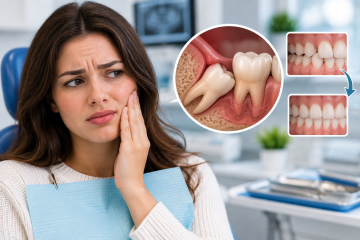
A balanced bite may reduce strain on your jaw joints and muscles, helping to ease symptoms such as clicking, tension, or morning jaw discomfort. According to the NHS, temporomandibular disorders (TMD) can have several causes, and where bite problems contribute, improving dental alignment may help ease these symptoms.How Dental Alignment Treatment Works in Spalding
Dental alignment treatment in Spalding begins with an assessment of your bite and teeth position, followed by a plan tailored to move your teeth gradually into the correct place.- An initial consultation to assess your bite and alignment.
- A treatment plan explaining timescale and approach.
- Fitting of your chosen appliance.
- Regular adjustment visits to guide movement.
- A retention phase to hold your new alignment in place.