Choosing between clear aligners and braces is one of the most common questions patients ask when considering orthodontic treatment. At Smile Orthodontics, we understand that every smile is unique, and so is the treatment needed to achieve it.
In this blog, we will compare clear aligners vs braces, helping you understand which option may suit your lifestyle, needs, and long-term goals.
What Are Clear Aligners and How Do They Work?
Clear aligners are a modern orthodontic solution that uses a series of custom-made, transparent trays to gradually move your teeth into position. They are designed to be discreet and removable.
Nearly Invisible and Removable Treatment
Clear aligners are virtually invisible, making them a popular choice for adults and teenagers. They can be removed for eating, brushing, and special occasions.
Best Suited for Mild to Moderate Cases
Clear aligners are highly effective for mild to moderate alignment issues, such as spacing or crowding, but may not always be suitable for complex orthodontic cases.
What Are Dental Braces and When Are They Recommended?
Dental braces are a fixed orthodontic treatment that uses brackets and wires to apply continuous pressure and guide teeth into the correct position.
Fixed and Highly Effective for Complex Cases
Braces are often recommended for more complex dental corrections, including severe crowding, bite issues, and significant tooth movement.
Options Available Including Tooth-Coloured Braces
Modern braces are more discreet than ever, with options such as ceramic braces that blend with your natural tooth colour.
Clear Aligners vs Braces: Key Differences to Consider
When comparing braces vs aligners, the right choice depends on several important factors, including lifestyle, treatment needs, and personal preferences.
Appearance and Confidence During Treatment
Clear aligners offer a nearly invisible solution, which many patients prefer for professional or social reasons. Braces, while more noticeable, are now available in less visible options.
Comfort and Daily Convenience
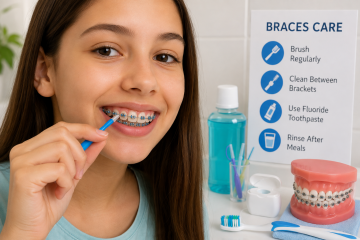
Clear aligners can be removed for brushing and flossing but must be worn 20–22 hours daily to be effective. Braces work continuously, though extra care is needed to clean around brackets and wires to prevent plaque build-up and tooth decay.
Treatment Time and Predictability
Treatment time varies depending on complexity. Most orthodontic treatments typically last between 12 to 24 months, with braces often offering greater control in complex cases.
Cost Considerations
The cost of clear aligners and braces can vary depending on the complexity of treatment. In many cases, clear aligner costs are similarly priced or slightly higher than traditional braces. A consultation will provide a personalised estimate based on your specific needs.
Which Option Is Right for You?
The best treatment for you depends on your individual needs, lifestyle, and the complexity of your case. Clear aligners may suit those looking for a discreet and flexible option, while braces may be more effective for detailed or complex corrections.
A professional assessment is essential to determine the most suitable approach for achieving safe and predictable results.
Why Specialist Orthodontic Care Matters
Orthodontic treatment is not one-size-fits-all. Specialist orthodontists undergo additional years of training beyond general dentistry, allowing them to diagnose and treat a wide range of dental irregularities.
Choosing a specialist-led practice ensures that your treatment plan is carefully designed, precise, and based on clinical expertise. This is particularly important when deciding between clear aligners and braces, as the correct recommendation depends on careful assessment and planning.
Your Smile, Our Expertise – Smile Orthodontics
If you are considering clear aligners or braces, the best first step is a professional consultation. At Smile Orthodontics in Norwich, Spalding, and Scarborough, we will guide you through your options and recommend the most suitable treatment for your smile.
Contact us today to receive a custom treatment plan and take the first step towards a healthier, more confident smile.
Frequently Asked Questions
Are clear aligners as effective as braces?
Yes, clear aligners are effective for mild to moderate cases and can treat some complex issues. However, braces are often better for more complex tooth movements and bite corrections that require precise control.
Do clear aligners take longer than braces?
Not always. Treatment time is similar for many cases, but braces may work faster for complex issues, while aligners depend heavily on wearing them consistently for 20–22 hours daily.
Which is more comfortable, braces or clear aligners?
Clear aligners are generally more comfortable, as they have smooth edges and no wires. Braces can cause irritation initially, especially after adjustments, but this usually settles quickly.
Can I eat normally with clear aligners or braces?
With clear aligners, yes, as you remove them before eating. With braces, certain hard or sticky foods should be avoided to prevent damage to brackets and wires.
How do clear aligners work to straighten teeth?
Clear aligners work by applying gentle, controlled pressure through a series of custom-made trays. Each aligner gradually moves your teeth step by step into the desired position.
How do I know which treatment is right for me?
The best way is through a consultation, where your teeth, bite, and goals are assessed to recommend the safest and most effective treatment option.