Braces for teens are one of the most effective ways to correct alignment, improve oral health, and support confidence during important developmental years. At Smile Orthodontics, we regularly support families through this process with clear, practical guidance.
In this blog, we explain everything parents need to know about starting orthodontic treatment for teenagers in the UK.
When Should My Child See an Orthodontist for Braces?
Most teens should see an orthodontist between ages 11 and 14, when adult teeth are present and growth can still be guided effectively.
What Is the Best Age for Braces in the UK?
The best age for braces is usually early adolescence. At this stage, orthodontic braces for teens can correct alignment while the jaw is still developing, leading to more predictable results.
Signs Your Teen May Need Braces
You may need to consider braces if your teen has:
- Crooked or crowded teeth.
- Noticeable gaps.
- Bite issues such as overbite or underbite.
- Difficulty chewing or speaking.
Why Early Orthodontic Assessment Matters
Early assessment ensures problems are identified before they worsen. A specialist orthodontist can determine whether immediate treatment or monitoring is most appropriate.
What Types of Braces for Teens Are Available?
There are several types of braces available for teens, each designed to suit different clinical needs, lifestyles, and preferences. The best option depends on the complexity of alignment, desired appearance, and how well your teen can follow treatment guidance.
Fixed Braces
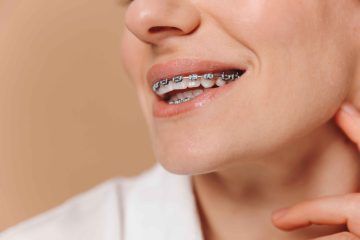
Fixed braces are the most effective option for complex cases. They provide precise control and are highly effective for comprehensive teeth straightening.
Ceramic Braces
Ceramic braces blend with natural tooth colour, offering a more discreet alternative while maintaining effectiveness.
Clear Aligners
Clear aligners, such as Invisalign for teens, are removable and nearly invisible. They are best suited for mild to moderate cases and require consistent wear to achieve optimal results.
Which Type of Braces Is Best for Your Teen?
The best option depends on individual needs:
- Fixed braces for complex alignment.
- Clear aligners for flexibility.
- Aesthetic braces for discreet treatment.
NHS Braces for Children vs Private Treatment
Braces may be available on the NHS for eligible patients under 18, depending on clinical need.
Are Braces Free on the NHS for Teens?
NHS braces in the UK are provided if a teen meets strict criteria based on the Index of Orthodontic Treatment Need.
NHS vs Private Orthodontic Treatment
Key differences include:
- NHS treatment is limited to clinical need.
- Private care offers more choice and shorter waiting times.
- Aesthetic options are usually private.
Why Parents Choose Specialist Orthodontic Care
Specialist orthodontists focus exclusively on alignment and bite correction, offering a higher level of expertise for both simple and complex cases.
How Does Teeth Straightening for Teenagers Work?
Orthodontic treatment works by applying gentle, controlled pressure to move teeth into the correct position over time.
Step-by-Step Process of Getting Braces for Teens
- Initial consultation and assessment.
- Personalised treatment plan.
- Fitting braces or aligners.
- Regular adjustments.
- Retainers to maintain results.
How Long Does Treatment Take?
Most treatments take between 12 and 24 months, depending on complexity and compliance.
Does Treatment Affect Daily Life?
Teens can continue normal activities, including school and sports, with minor adjustments to diet and oral hygiene routines.
Benefits of Braces for Teens Beyond Straight Teeth
Braces for teens improve both dental health and confidence, making them a valuable long-term investment.
Key benefits include:
- Easier cleaning and improved oral hygiene.
- Reduced risk of decay and gum disease.
- Correct bite and jaw alignment.
- Improved speech and function.
- Greater confidence during teenage years.
Start Your Teen’s Smile Journey with Smile Orthodontics
The right guidance at the right time can make a significant difference to your child’s treatment journey. At Smile Orthodontics in Norwich, Spalding, and Scarborough, our specialist orthodontists provide individualised care for teenagers at every stage.
Contact us today to book a consultation, receive a personalised treatment plan, and understand the best options for your teen’s smile.
Frequently Asked Questions
How old do you have to be to get braces?
Most teens start braces between 11 and 14 years, once adult teeth have developed. However, timing depends on individual needs, and earlier assessments help determine the best treatment stage.
Are braces painful for teenagers?
Braces are not painful to fit, but mild discomfort can occur after adjustments. This usually settles within a few days as the teeth begin to move.
Can teens choose Invisalign instead of fixed braces?
Yes, Invisalign for teens is an option for suitable cases. It works best for mild to moderate alignment issues and requires consistent wear for effective results.
How do teens care for braces daily?
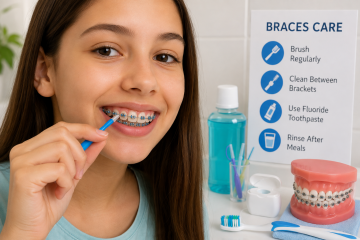
Teens should brush thoroughly twice daily, clean around brackets carefully, and avoid hard or sticky foods. Good oral hygiene helps prevent issues during orthodontic treatment.
Will braces affect school or sports activities?
Braces do not stop teens from attending school or playing sports. Mouthguards can be used for contact sports to protect both teeth and braces effectively.