Most children do not need an appliance before braces. In the UK, early orthodontic treatment is only recommended in certain cases, after an orthodontist has looked at your child’s teeth, jaws and bite. If an appliance is recommended, it is usually because there is a specific problem that may benefit from being treated early. In some cases, monitoring the teeth and waiting until later is the better option.
What Is Interceptive Orthodontics?
Interceptive orthodontics is treatment given while a child still has a mix of baby and adult teeth, with the aim of dealing with a developing problem. The British Orthodontic Society says early treatment can occasionally reduce the complexity of treatment needed later.
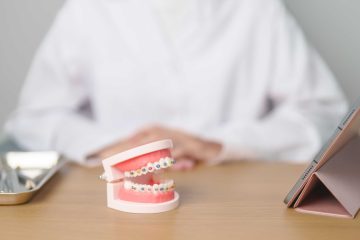
The aim is usually to guide dental or jaw development or protect the teeth, rather than avoid braces altogether. An orthodontic appliance for children may be a removable brace or a functional appliance such as a Twin Block, which works with jaw growth.
When Might a Child Need an Appliance Before Braces?
An orthodontist may recommend early treatment if a developing problem could become harder to correct later or could put the teeth at risk. Examples include:
- Upper front teeth that stick out and could be easily injured.
- Upper teeth that bite inside the lower teeth (a crossbite).
- Upper and lower jaws that are growing out of step.
- Very limited space for adult teeth.
These are examples rather than diagnoses. A child with one of these features may still not need early treatment.
What Does the Evidence Say About Early Treatment?
Early treatment is not automatically better. A Cochrane review found that treating prominent upper front teeth early reduced the chance of injury to those teeth. However, it found no other advantages compared with one course of treatment in adolescence. The evidence was considered low to moderate quality.
Early treatment is also often followed by a second phase with braces during the teenage years. This is why the individual problem, rather than age alone, needs to be considered when deciding whether an appliance is worthwhile.
Can Early Treatment Be Provided on the NHS?
It depends on your child’s clinical need. The NHS says braces are usually free only for under 18s who have a problem with their teeth, following referral by a dentist to an orthodontist, and there may be a waiting list.
NHS guidance covers braces generally rather than early appliances specifically, so ask your dentist or orthodontist what applies. Private treatment is another option.
Speak to Smile Orthodontics About Your Child’s Teeth
Our practices in Spalding, Norwich and Northway can assess your child and explain whether an appliance now, braces later or simple monitoring is most appropriate. Suitability can only be confirmed after an assessment by our expert orthodontists. Book a consultation with Smile Orthodontics to talk through your child’s options.
FAQs
Does early orthodontic treatment mean my child will not need braces later?
Not necessarily. Early treatment is often followed by a second phase, and your orthodontist can explain what is likely for your child after an assessment.
How do I know if my child needs an orthodontic appliance?
Only an assessment can tell you. If you notice teeth that stick out, a bite that does not meet properly or very crowded teeth, mention it to your dentist.
Does a removable brace for children need to be worn all the time?
Wear instructions vary by appliance. Follow your orthodontist’s directions, because an appliance can only work as planned if it is worn as advised.
Is early orthodontic treatment available on the NHS?
It depends on your child’s clinical need. NHS braces are usually free only for under 18s referred by a dentist, and NHS guidance does not specifically address early appliances, so ask your dentist or orthodontist. Waiting lists may apply.