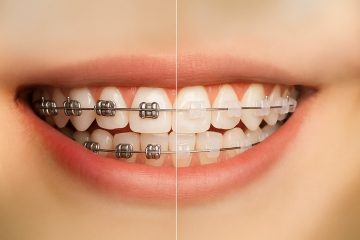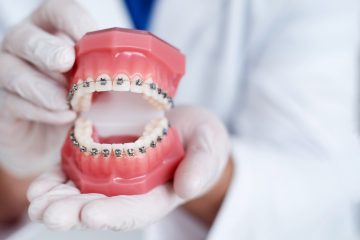
It’s not unusual to experience mouth ulcers when you first get braces. The inside of your mouth needs a little time to adapt to the new surfaces and movement. The good news? These small irritations are temporary, and with the right care, they heal quickly.
In this blog, we’ll guide you through everything you need to know about braces and mouth ulcers, why they happen and how to heal them fast.
Why Do Braces Cause Mouth Ulcers?
Braces can sometimes rub against the soft tissues of your mouth, especially in the first few weeks of treatment, and mild irritation is common among new brace wearers. It’s a natural part of the adjustment process.
Before we discuss treatment, let’s understand what happens inside your mouth.
How Brackets and Wires Cause Irritation
Fixed braces use brackets and thin wires to guide your teeth. As they shift, these edges may graze the inner cheeks or lips, creating tiny sores or ulcers.
When Ulcers Are More Likely to Occur
Ulcers commonly appear after brace adjustments or when you eat hard, crusty foods. They can also happen if a wire protrudes or becomes loose.
Are Ulcers Normal with Ceramic Braces?
Ceramic braces are smoother than metal ones, but mild irritation can still occur until your tissues toughen. The good news is that this discomfort usually fades as your mouth adapts.
What Do Mouth Ulcers from Braces Look and Feel Like?
A mouth ulcer is a small, round sore inside the mouth, often white or yellow with a red border. They can make eating, speaking, and brushing uncomfortable for a few days. Let’s understand what to expect and when to seek help.
Common Symptoms to Watch For
Tender spots, stinging when eating, or a burning sensation on your cheek or tongue are typical signs.
When to Contact Your Orthodontist
If a mouth ulcer from braces lasts longer than 10–14 days, bleeds, or prevents normal eating, it’s best to contact your orthodontist for an adjustment or assessment.
How to Heal Mouth Ulcers from Braces Quickly
Most mouth ulcers heal naturally within a week, but you can speed things up with these practical steps.
- Use Orthodontic Wax: Apply wax over any bracket or wire causing friction. It creates a smooth barrier that protects your soft tissues.
- Rinse with Saltwater or Antimicrobial Mouthwash: Rinsing two or three times daily helps cleanse and soothe the ulcer. A simple saltwater solution can be as effective as medicated mouthwash.
- Apply Soothing Gels: Over-the-counter soothing gels form a protective coating that reduces pain and aids healing.
- Keep Your Mouth Clean: Continue brushing gently with a soft toothbrush and using interdental brushes. A clean mouth heals faster and prevents infection.
What to Avoid While Healing
Certain foods and habits can aggravate ulcers and delay recovery. Avoid these to help your mouth heal comfortably.
- Avoid Spicy, Acidic, or Crunchy Foods: Chilli, citrus fruits, or crisps can sting and irritate open sores. Choose softer meals instead.
- Skip Fizzy Drinks and Alcohol-Based Mouthwash: Both contain acids or alcohol that dry the mouth and worsen irritation.
- Don’t Pick or Touch the Area: Your mouth heals best when left undisturbed. Picking can reopen sores and increase infection risk.
Preventing Future Mouth Ulcers from Braces
Once your mouth adjusts, ulcers become rare. Preventive care keeps irritation to a minimum.
Here are a few simple ways to stop them from coming back:
- Use Wax Regularly at the Start: Even before discomfort appears, wax reduces friction from new braces.
- Attend Regular Orthodontic Check-Ups: Your orthodontist can smooth sharp edges or trim wires that cause rubbing.
- Eat Soft Foods During Adjustments: After tightening, opt for soups, mashed potatoes, yoghurt, or smoothies to avoid friction and soreness.
When to See Your Orthodontist in the UK
Ulcers from braces are usually temporary, and with proper care, your mouth will heal and adjust quickly. However, if you’re struggling with braces and mouth ulcers that don’t heal within two weeks or become unusually painful, it’s best to seek professional advice. In rare cases, persistent sores may indicate an infection or nutritional deficiency. Your orthodontist can assess the issue, adjust your braces, or recommend soothing treatment to help you recover comfortably.
Get Specialist Care and Lasting Comfort with Smile Orthodontics
If your braces are causing discomfort or mouth ulcers, our specialist orthodontists can help make adjustments and provide expert care. We offer NHS and private orthodontic treatment for children and adults at Smile Orthodontics in Norwich, Spalding, and Scarborough.
Contact us to book your consultation today, and let our experienced team help you smile comfortably and confidently again.