Stopping your retainer might seem harmless, but it can cause your teeth to shift back towards their original position, sometimes quicker than expected. At Smile Orthodontics, we often see patients concerned about changes after pausing retainer use.
In this blog, we explain what happens if you stop wearing your retainer, how quickly teeth can move, and what steps you can take to protect your smile.
Why Wearing a Dental Retainer Is Essential After Orthodontic Treatment
A dental retainer is essential because teeth naturally try to move back after orthodontic treatment, making retention a long-term commitment.
Why Teeth Move After Braces or Invisalign Treatment
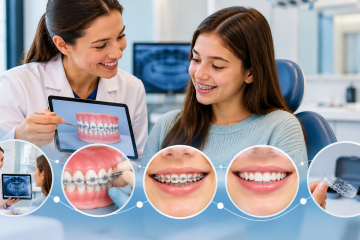
Teeth shifting after braces or Invisalign happens because the surrounding bone and ligaments need time to stabilise. Even after successful orthodontic treatment, natural forces can gradually move teeth out of alignment.
Types of Retainers for Teeth and How They Work
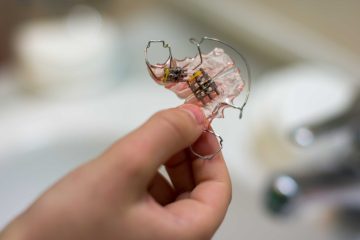
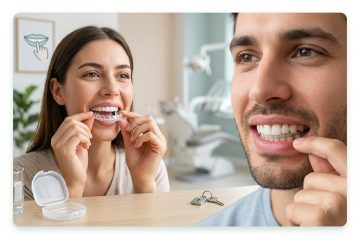
There are different retainers for teeth, including removable options and a permanent retainer fixed behind the teeth. Each dental orthodontic retainer helps maintain alignment by holding teeth in their new position.
What Happens If You Stop Wearing Your Retainer
If you stop wearing your retainer, your teeth may begin to move, with the extent depending on how long you have gone without it.
Short-Term Effects of Not Wearing a Retainer
In the early stages, you may notice slight tightness when putting the retainer back in. Minor movement can occur within weeks, but this is often still manageable if addressed promptly.
Long-Term Effects of Stopping Retainer Use
Over time, more noticeable changes can develop. Teeth may become visibly misaligned, your bite may alter, and further orthodontic treatment may be required to correct the shift.
How Quickly Do Teeth Shift Without a Retainer
Teeth can begin shifting within a few weeks of not wearing a dental retainer, particularly in the first year after treatment.
Factors That Affect Teeth Movement
Several factors influence how quickly teeth move, including the type of retainer used, how recently treatment finished, and individual biological factors such as age.
How Long Can You Go Without Wearing Your Retainer?
- A few days may cause slight tightness.
- A few weeks can lead to visible movement.
- Several months may result in significant misalignment.
Can You Wear Your Retainer Again After Months?
You may be able to wear your retainer again after months, but this depends on how much your teeth have shifted.
When It Is Safe to Reuse Your Retainer
If the retainer still fits with mild pressure and no pain, it may help guide teeth back slightly into position.
When You Need a New Retainer or Treatment
If the retainer does not fit, causes discomfort, or your teeth appear noticeably misaligned, a new retainer or further orthodontic treatment may be required.
How to Prevent Teeth Shifting After Braces or Invisalign
Preventing teeth shifting requires consistent retainer use and proper care following your orthodontist’s guidance.
Best Practices for Wearing Your Dental Retainer
- Follow the recommended wear schedule.
- Transition to night-time wear only when advised.
- Understand that retainers are often needed long-term.
Retainer Care and Maintenance
- Clean your retainer regularly using a suitable retainer cleaner.
- Avoid exposing it to heat.
- Replace it if it becomes worn or damaged.
When to See an Orthodontist About Retainer Issues
You should see a specialist orthodontist if your retainer no longer fits or if you notice changes in your teeth alignment.
According to the NHS, retainers are a vital part of maintaining results after orthodontic treatment and should be worn as instructed to prevent relapse.
- Early intervention can prevent further movement.
- Minor corrections are easier than full retreatment.
- Specialist orthodontist care ensures stable, long-term results.
Protect Your Smile with Expert Orthodontic Care at Smile Orthodontics
Maintaining your results after orthodontic treatment is just as important as the treatment itself, and professional guidance ensures long-term stability.
If you have stopped wearing your retainer or noticed changes in your teeth, seeking advice early can make a significant difference. At Smile Orthodontics in Norwich, Spalding, and Scarborough, we provide specialist-led care to help you maintain a healthy, well-aligned smile.
Get in touch today to book your consultation and protect your smile from shifting.
Frequently Asked Questions
What happens if I stop wearing my retainer for a week
Stopping your dental retainer for a week may cause slight tightness when you wear it again, but minor movement is usually reversible if you resume consistent use quickly.
How long can I go without wearing my retainer before teeth shift?
Teeth can begin shifting within a few weeks without a dental retainer, especially soon after orthodontic treatment, making consistent wear essential to maintain long-term alignment and stability.
Can I wear my retainer again after months of not using it?
You may wear your retainer again after months if it still fits comfortably, but if it feels tight or painful, you should see a specialist orthodontist for assessment.
Do you have to wear retainers forever after braces or Invisalign treatment?
Most patients need to wear retainers long-term, often at night, to prevent teeth shifting after braces or Invisalign treatment and maintain the results achieved through orthodontic treatment.
What should I do if my retainer no longer fits properly?
If your dental retainer no longer fits, avoid forcing it and contact your orthodontist promptly, as early intervention can prevent further teeth shifting and reduce the need for additional treatment.