Choosing orthodontic treatment is a big decision, and it’s natural to wonder whether Invisalign can really deliver the smile you’re hoping for. Seeing Invisalign before and after results can be reassuring, but those transformations don’t happen overnight. They are carefully planned and achieved gradually over time.
At Smile Orthodontics, our specialist orthodontists focus on providing Invisalign treatment designed specifically for your smile, balancing improved appearance with long-term oral health.
In this blog, we will outline the changes you can expect from Invisalign treatment and the key factors that influence the final outcome.
What Is Invisalign Treatment, and How Does It Work?
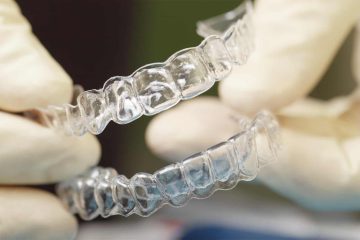
Invisalign treatment uses a series of clear, removable aligners designed to move teeth gradually into better positions. Each aligner is custom-made and replaced at set intervals, following a detailed orthodontic plan.
Let’s understand how Invisalign works in practice.
Clear Aligners Before and After Treatment
Before treatment, teeth may appear crowded, spaced, or uneven. After Invisalign, alignment improves over time as each aligner applies controlled, gentle pressure.
How Specialist Planning Affects Results
Specialist orthodontists use digital scans and treatment simulations to plan movement accurately, supporting predictable Invisalign before and after outcomes.
Invisalign Before and After: Common Changes Patients Notice
Patients often notice both visible and functional improvements during Invisalign treatment. Invisalign results transformations typically extend beyond cosmetic changes alone.
Some of the most common changes include the following.
Straighter Teeth and Improved Alignment
Teeth usually appear more balanced and even, helping create a natural-looking smile that is easier to clean and maintain.
Bite Correction and Comfort Improvements
Bite issues such as overbites may improve, reducing uneven pressure and supporting better overall oral function.
Changes in Confidence and Daily Habits
Many patients feel more confident smiling and speaking, with some finding daily oral hygiene easier after alignment improves.
How Long Does Invisalign Take Before Results Are Visible?
While results and timeline vary depending on individual orthodontic needs and complexity, many patients begin noticing changes relatively early in treatment.
Here is how progress typically develops.
Early Changes in the First 8 to 12 Weeks
Many patients notice small alignment improvements within 8 to 12 weeks, particularly in mild or moderate cases, as teeth begin responding to planned aligner movements.
Average Invisalign Treatment Timelines
Invisalign treatment typically lasts between 12 and 18 months, although simpler alignment concerns may be completed sooner following a specialist orthodontic assessment.
Why Complex Cases May Take Longer
More complex cases involve detailed bite correction and controlled tooth movement, requiring additional aligners, refinements, and careful monitoring to ensure safe, stable, and predictable results.
Invisalign Before and After for Overbites and Complex Cases
Invisalign is not limited to cosmetic straightening. With specialist oversight, it can address a wide range of orthodontic concerns.
Complex cases require detailed assessment and monitoring.
Invisalign Overbite Before and After Results
Invisalign can improve overbites through carefully staged aligners and orthodontic planning, gradually correcting bite relationships while maintaining comfort, control, and predictable tooth movement throughout treatment.
When Invisalign Is Combined With Attachments or Refinements
Attachments and refinement aligners help orthodontists guide complex tooth movements, allowing precise adjustments and ensuring final results closely match the original Invisalign treatment plan.
What Invisalign Before and After Results Depend On
Final Invisalign results depend on accurate orthodontic planning, consistent aligner wear, regular reviews, and post-treatment retention, all working together to support stable, long-term outcomes.
The most important factors include the following.
Wearing Aligners as Prescribed
Aligners must be worn for 20 to 22 hours per day to follow the planned tooth movements accurately.
Regular Orthodontic Reviews
Routine reviews allow orthodontists to track progress and make adjustments when required for the best results.
Retainers After Invisalign Treatment
Retainers are extremely essential to maintain Invisalign results and prevent teeth from shifting after treatment ends.
Take the First Step Towards a Straighter Smile with Smile Orthodontics
If you are considering Invisalign and want a clear understanding of your own Invisalign before and after potential, our specialist team is here to help. At Smile Orthodontics in Norwich, Spalding, and Scarborough, we provide personalised Invisalign treatment led by specialist orthodontists.
Get in touch today and take the first step towards a healthier, more confident smile.
FAQs
Q1. Do Invisalign results really look different before and after treatment?
Yes. Most patients notice straighter teeth, improved bite alignment, and a more balanced smile, with changes appearing progressively throughout treatment rather than all at once.
Q2. How soon will I start seeing Invisalign results?
Small changes are often visible within the first 8 to 12 weeks, although noticeable results depend on how complex your alignment or bite issues are.
Q3. Can Invisalign fix an overbite, or is it only cosmetic?
Invisalign can improve many overbites when treatment is planned by a specialist orthodontist, using staged aligners and attachments to guide bite correction safely.
Q4. Do I need to wear retainers after Invisalign treatment?
Yes. Retainers are essential after Invisalign to keep teeth in their new positions and prevent them from shifting back over time.
Q5. Are Invisalign before and after results permanent?
Results can be long-lasting if aligners are worn as prescribed and retainers are used consistently, supported by ongoing orthodontic guidance.