Completing orthodontic treatment is a significant milestone, but it is not the final step in protecting your smile. At Smile Orthodontics, we regularly remind patients that dental retainers are essential for maintaining the results achieved through orthodontic treatment.
Dental retainers hold teeth in their corrected positions after treatment. Without them, natural forces can gradually cause teeth to shift, undoing months or years of orthodontic progress.
In this guide, we explain what dental retainers are, why they matter, and how to care for them properly to protect your long-term orthodontic results.
What Are Dental Retainers, and Why Are They Essential?
Dental retainers are custom-made devices worn after orthodontic treatment to stabilise tooth position. Once braces or aligners are removed, the surrounding bone and gum tissues need time to adapt to the new alignment. Retainers support this process and prevent unwanted movement.
Clinical evidence shows that teeth can begin to shift within weeks if retainers are not worn as advised. For this reason, orthodontic specialists recommend retainers as a lifelong part of orthodontic care, not an optional extra.
What Happens If You Do Not Wear a Retainer?
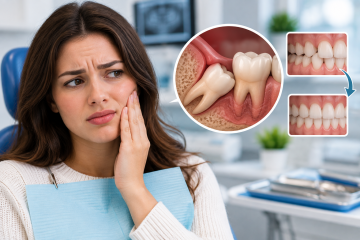
Not wearing a retainer significantly increases the risk of orthodontic relapse. This is the gradual movement of teeth back towards their original position, which can affect both appearance and bite function.
Studies referenced by professional orthodontic bodies indicate that some degree of relapse is common without retention. In many cases, correcting this movement requires further orthodontic treatment, which could otherwise have been avoided.
Types of Dental Retainers We Provide at Smile Orthodontics
Different patients require different retention solutions. At Smile Orthodontics, our orthodontic specialists recommend retainers based on age, bite complexity, and long-term stability needs.
Here’s a closer look at the main types of retainers we offer and how they work.
Fixed Retainers
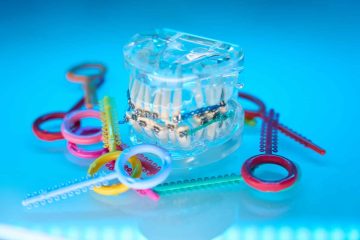
Fixed retainers are thin wires bonded discreetly behind the teeth, usually on the lower front teeth. Ideal for patients who want a “fit-and-forget” solution. They provide constant support and are particularly effective for preventing relapse in complex orthodontic cases.
Hawley Retainers
Hawley retainers are removable appliances made from acrylic and metal wire. They are durable, adjustable, and often recommended for younger patients or those still experiencing growth changes.
Essix Retainers
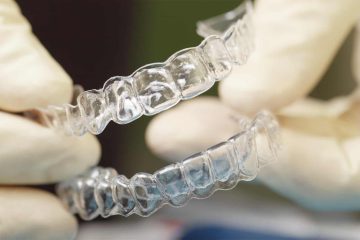
Essix retainers are clear, removable retainers that fit snugly over the teeth, a popular choice for adults who value discretion. They are discreet and popular with adults following braces or aligner treatment, although they require careful cleaning and handling.
How Long Do You Need to Wear a Retainer After Braces?
Most orthodontic specialists now advise wearing retainers indefinitely. This reflects growing evidence that teeth continue to shift naturally throughout adulthood, even years after treatment ends.
Typically, retainers are worn full-time immediately after treatment and later reduced to night-time wear. Your orthodontist will provide personalised guidance based on your treatment outcome and long-term risk factors.
How to Clean and Care for Dental Retainers Properly
Good retainer hygiene is essential for oral health and appliance longevity. Poor cleaning can lead to plaque build-up, odour, and damage to the retainer material.
Here’s how to clean it and know when it needs attention.
Daily Cleaning Routine
Removable retainers should be gently brushed daily using lukewarm water and a soft toothbrush. Avoid toothpaste, as it can be abrasive and cause clouding or wear.
Using a Retainer Cleaner
Specialist retainer cleaner tablets can be used several times a week to remove bacteria effectively. Always follow manufacturer instructions and avoid boiling water or harsh chemicals.
When to Replace or Repair a Retainer
Retainers can wear or break over time. If a retainer feels loose, cracked, or uncomfortable, it should be reviewed quickly to prevent tooth movement.
Why Specialist Orthodontic Care Matters for Retainers
Orthodontic retention is not one-size-fits-all. Specialist orthodontists undergo additional years of training beyond general dentistry, allowing them to plan retention based on tooth movement patterns, bite stability, and long-term outcomes.
This expertise is particularly important for complex cases and adult orthodontic treatment, where relapse risks can be higher without tailored retention planning. Our orthodontic specialists manage retention for thousands of patients each year across our practices.
Protect Your Smile for Life with Smile Orthodontics
If you have completed orthodontic treatment or are nearing the end of your braces or aligners journey, professional retention advice is essential. Our specialist orthodontists can provide personalised retainer plans and ongoing support.
To book a consultation for orthodontic dental retainers, contact Smile Orthodontics in Norwich, Spalding, or Scarborough. We offer both NHS and private orthodontic services, focused on protecting your smile for the long term.
Frequently Asked Questions
Do I really need to wear my retainer forever?
Yes. Teeth naturally move throughout life, so wearing your retainer long-term is the only reliable way to keep your teeth straight after orthodontic treatment.
What happens if I stop wearing my retainer for a while?
Teeth can start shifting within weeks. Even short breaks may cause movement, and in some cases, teeth will no longer fit the retainer comfortably.
Are fixed or removable retainers better?
Neither is universally better. Fixed retainers offer constant support, while removable retainers rely on compliance. Your orthodontic specialist will recommend what suits your case best.
How often should I clean my retainer?
Removable retainers should be cleaned daily and deep-cleaned several times a week using a retainer cleaner to prevent bacteria, plaque build-up, and odour.
Can I get a replacement retainer if I lose or break mine?
Yes. Replacement retainers can be made, but it is important to act quickly to avoid tooth movement while waiting for a new one.