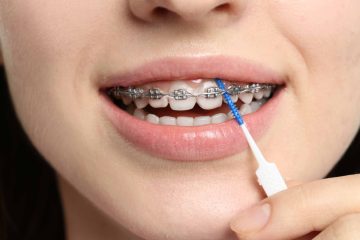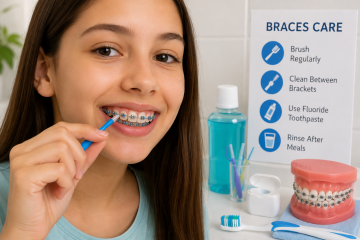
Braces and aligners can temporarily affect how you speak, but any lisp is typically mild and temporary. Most people find their speech settles down in a few days to a couple of weeks after braces or aligners are removed once the tongue gets used to the new appliance.
Do Braces Impact Speech?
Fixed braces are on the front of the teeth and rarely affect speech for any length of time. You just have to get your tongue and lips used to the brackets and wire. The NHS explains that braces can feel strange at first and a slight change in the way you sound is part of this.
Sounds most likely to feel different include:
- “S” and “z”, which can sound slightly whistly or slushy.
- “Sh”, “ch” and “j”.
- “T”, “d” and “th”, where the tongue touches the teeth.
Why Braces Can Cause a Lisp
A lisp with braces occurs because the tongue uses exact contact with your teeth and roof of mouth to create some sounds. Anything new in that space throws it off for a moment. Braces fitted behind teeth are likely to affect speech than standard fixed braces, because they are positioned where the tongue naturally sits.
Speaking With Aligners
It may feel a little different to talk with aligners on because there is a thin layer of plastic on each tooth. Some people notice a gentle lisp for the first day or two, and again when changing to a new set. Use your clear aligners the number of hours your orthodontist recommends to help your mouth adjust faster. Don’t take them out just to talk.
Retainer Lisp After Treatment
A retainer lisp is common in the first week especially with removable retainers. University Hospitals Plymouth NHS retainer guidance says that at first retainers can affect speech and increase saliva, but this usually settles in the first week or so. Keep wearing your retainer as instructed because if you miss it your teeth will move.
How Long Does a Lisp Last After Braces?
Most people see their speech return to normal in a few days to a week or two after braces. Everyone adjusts at their own speed and a new appliance or change can bring the lisp back for a short time. If it persists for more than a few weeks, or you feel a loose or sharp edge on an appliance, call your orthodontist.
Tips to Speak Clearly Faster
- Read out loud for a few minutes each day.
- Practice difficult sounds slowly such as “sixty six” or “she sells seashells”.
- Follow the instructions for use of your appliance.
- If speaking feels awkward with excess spit, sip water.
Speak to Smile Orthodontics About Your Treatment
Our teams in Norwich, Spalding and Scarborough can discuss braces, aligners and retainers and any short term changes to your speech. Suitability for treatment can only be confirmed after assessment.
Schedule a consultation with Smile Orthodontics today and begin your journey to a straighter smile.
FAQs
Do braces affect speech permanently?
No. Any change is usually temporary and settles as your tongue adapts, often within a few days to two weeks.
Is a retainer lisp normal?
Yes. A slight lisp and extra saliva are common when you start wearing a retainer, and they usually ease within the first week or so.
Should I take my aligners out to speak?
It is best not to. Aligners need to be worn for the recommended hours each day, and keeping them in helps your speech adjust sooner.
What if my lisp does not go away?
If a lisp lasts longer than a few weeks, speak to your orthodontist. They can check the fit of your appliance and advise on the next step.