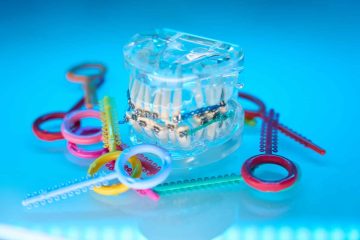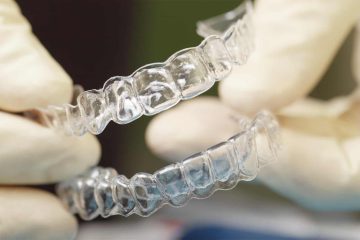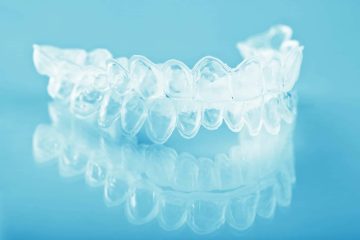
You have finished orthodontic treatment, your teeth look straight, and the braces or aligners are finally off. It is a big moment. Did you know that even after your braces come off, your teeth naturally want to move back? At Smile Orthodontics, one of the most common conversations we have with patients finishing treatment is: do I really need to keep wearing a retainer?
In this blog, we will look at what genuinely happens to your smile over time with and without a dental retainer and why long-term outcomes matter more than short-term results.
What Happens to Teeth After Orthodontic Treatment Ends
Teeth do not stay fixed in place once orthodontic treatment ends. Even perfectly straight teeth are biologically active. They respond to pressure and can shift over time. Several natural factors influence post-treatment tooth movement.
Why Teeth Naturally Want to Shift Back
The fibres around teeth retain a memory of their original position and slowly pull teeth back if not held in place, especially during the months immediately after treatment.
How Age and Everyday Bite Forces Play a Role
Normal chewing, clenching, and age-related jaw changes can gradually cause crowding, even years after treatment, making long-term retainer use important for stability.
Long-Term Outcomes With a Dental Retainer
Wearing an orthodontic dental retainer significantly reduces the risk of teeth shifting and helps maintain orthodontic results long-term. Research consistently shows retention is essential for stability.
Different retainers support long-term stability in different ways. Here’s how:
Fixed Retainers and Continuous Tooth Stability
Fixed retainers are bonded behind the teeth and work constantly, making them particularly effective for lower front teeth.
Essix Retainers for Night-Time Retention
Essix retainers are clear, removable, and often worn full-time initially, then at night to maintain alignment discreetly and comfortably.
Hawley Retainers in Specific Clinical Cases
Hawley retainers are durable and adjustable and are sometimes preferred for upper teeth or cases needing minor modifications, although they are used less commonly today.
What Happens If You Stop Wearing a Retainer?
Stopping retainer wear increases the likelihood of relapse, which can begin within the first 6–12 months after treatment. Changes often happen slowly, so early signs are easy to overlook. Relapse can look different for every patient.
Subtle Shifts You Might Miss
Slight rotations, crowding, or spacing can develop gradually and may only become obvious months later. This is especially true without retainers and regular orthodontic review appointments.
When Relapse Requires Further Orthodontic Treatment
Once teeth shift beyond a certain point, further orthodontic treatment may be needed rather than simple retainer adjustments. This often increases cost, duration, and inconvenience for patients significantly.
How to Care for a Dental Retainer Long Term
A retainer only works properly if it is well cared for. Good hygiene also protects your oral health. Simple daily habits make a lasting difference.
Daily Cleaning and Retainer Hygiene
Cleaning retainers daily with lukewarm water and a retainer cleaner prevents bacteria build-up and odours, keeping them fresh, safe, and comfortable to wear.
Common Mistakes That Shorten Retainer Lifespan
Heat exposure, poor storage, and inconsistent wear are common reasons retainers become damaged or ineffective, leading to avoidable replacement and fit issues.
Why Specialist Orthodontist Retention Planning Matters
Retention is not one-size-fits-all. Specialist orthodontists assess bite, alignment, age, and relapse risk to create a personalised long-term retention plan. This expertise protects results for years, not just months.
Protect Your Smile for the Years Ahead With Smile Orthodontics
Orthodontic treatment is an investment of time, care, and commitment. Wearing a retainer protects that investment and keeps your smile stable as life changes. If you’ve finished treatment, lost your retainer, or aren’t sure if your current one is still effective, our specialist team can help.
Speak to us today to know more about personalised retainer assessment at Smile Orthodontics in Norwich, Spalding, or Scarborough and keep your smile perfectly aligned for years.
Frequently Asked Questions
Do I really need to wear a retainer for life?
Yes, in most cases. Teeth naturally shift throughout life, and long-term retainer wear is the most reliable way to keep your orthodontic results stable.
What happens if I forget to wear my retainer for a while?
Teeth can begin moving within weeks or months. Early changes may feel minor, but they can quickly become harder to reverse without further treatment.
Are fixed retainers better than removable ones?
Neither is better for everyone. Fixed retainers provide constant support, while removable retainers offer flexibility. Many patients benefit from a combination of both.
How often should a retainer be checked or replaced?
Retainers should be checked during routine orthodontic reviews. Removable retainers may need replacing every few years, depending on wear and fit.
Can my teeth move even years after braces or Invisalign?
Yes. Ageing, bite changes, and everyday pressures can affect alignment over time, which is why long-term retention remains important even years later.