Keeping your teeth straight after orthodontic treatment matters just as much as the treatment itself. A dental retainer holds your teeth in their new position while the surrounding bone and tissues stabilise. Without one, teeth can gradually shift back, even after successful orthodontic treatment.
At Smile Orthodontics, we support patients with specialist-led orthodontic care. As a specialist orthodontic practice, we provide tailored retention plans for children and adults. In this blog, we outline the main retainer types and explain how to care for them.
What Is a Dental Retainer, and Why Is It Needed?
A dental retainer is a custom-made orthodontic appliance worn after braces or aligners to prevent teeth from moving back. Research shows that teeth have a natural tendency to relapse, particularly within the first 12 months after orthodontic treatment.
Orthodontic specialists typically recommend long-term or lifelong retention, as tooth movement continues naturally with age. Retainers are therefore a planned and essential stage of orthodontic treatment, not an optional add-on.
Types of Dental Retainers We Provide at Smile Orthodontics
Different types of dental retainers suit different clinical and lifestyle needs. Your orthodontic specialist will recommend the most appropriate option based on your bite, tooth movement risk, and lifestyle.
The most suitable retainer depends on stability, comfort, and long-term wear requirements.
Fixed Retainers
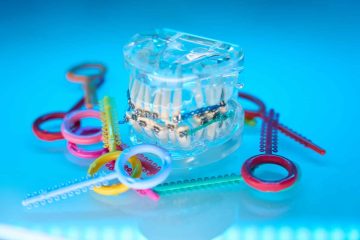
Fixed retainers are thin wires bonded behind the teeth, usually on the lower front teeth. They work continuously and do not rely on patient compliance. They are particularly effective for preventing relapse in high-risk areas and can last many years with good oral hygiene.
Hawley Retainers
Hawley retainers use a metal wire and acrylic base and are removable. They are durable and allow minor adjustments if needed. They are often recommended for growing patients or when long-term flexibility is beneficial.
Essix Retainers
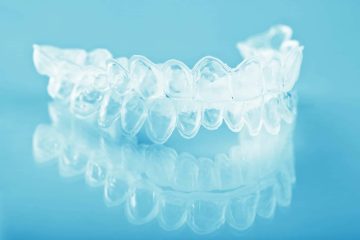
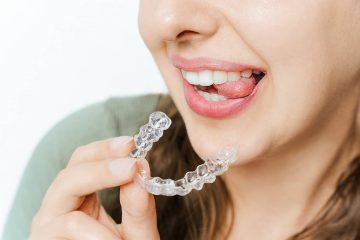
Essix retainers are clear, removable trays that fit closely over the teeth. They are discreet and commonly preferred by adults. They must be handled carefully, as they can wear or crack if not maintained properly.
How to Clean Retainers Properly and Avoid Damage
Keeping retainers clean is essential for oral health and appliance longevity. Unclean retainers can harbour bacteria similar to plaque on teeth. Simple daily habits help prevent damage, odour, and staining.
Here’s what to keep in mind.
Daily Cleaning Routine for Removable Retainers
Clean retainers daily using a soft toothbrush and lukewarm water. Non-abrasive retainer cleaners can be used as advised by your orthodontist. Always store retainers in their case when not in use.
What Not to Do When Cleaning Retainers
Avoid hot water, as it can warp retainers. Do not use toothpaste, bleach, or harsh chemicals. Never wrap retainers in tissue, as they are easily lost or damaged.
How Long Do I Need to Wear Retainers?
Most patients need to wear retainers long-term, often for life, to prevent teeth from shifting. Patients are advised to wear retainers full-time initially, then nightly for the long term. Teeth can shift at any age, so ongoing wear is often recommended indefinitely. Your orthodontic specialist will provide guidance based on your treatment complexity and stability.
Why Specialist Orthodontic Follow-Up Matters for Retainer Care
Specialist orthodontists understand how teeth move and settle after treatment, which allows them to provide thoughtful, long-term care for your retainers. Their experience helps ensure your retainer is designed to fit comfortably and continue protecting the results you’ve worked so hard to achieve.
Regular follow-up visits give your orthodontist the chance to check how your retainer fits, spot any signs of wear, and make small adjustments if needed. Catching these changes early helps prevent unwanted tooth movement and keeps your smile looking just as it should.
Keep Your Smile Perfect with Retainers from Smile Orthodontics
If you have completed your orthodontic treatment or want reassurance that your retainer is doing its job, specialist orthodontic care plays an important role in maintaining long-term results. At Smile Orthodontics, our expert team focuses on retainer fit, stability, and bite alignment to help prevent unwanted tooth movement.
With practices in Norwich, Spalding, and Scarborough, we provide personalised retention plans according to your teeth, lifestyle, and long-term oral health. Contact us today and protect the results you have worked hard to achieve.
Frequently Asked Questions
Do I really need to wear a retainer if my teeth look straight?
Yes, because teeth naturally try to move back after braces. A retainer holds them in position while the bone stabilises, protecting the results of your orthodontic treatment.
What happens if I stop wearing my retainer?
Teeth can gradually shift, sometimes noticeably. Even small movements can affect your bite and alignment, which may require further orthodontic treatment to correct.
How often should I clean my retainer?
Clean removable retainers daily using lukewarm water and a soft brush. Regular cleaning helps prevent bacteria build-up, odour, and staining that can affect oral health.
Can a retainer be repaired, or does it need replacing?
Minor issues can sometimes be repaired, but cracked, warped, or loose retainers usually need replacing. A specialist orthodontist can advise on the safest option.
Is it normal for a retainer to feel tight after not wearing it?
Yes, tightness often means your teeth have started to move. You should book a specialist review promptly to prevent further shifting or damage.